

The Tiny 10
“A Challenge Many Hunters Don’t Consider”
Start Your Collection
Africa’s smaller antelope offer a collection built on patience, careful observation and the satisfaction of a hard-earned hunt. Each species brings a different experience, taking you from coastal grasslands and shaded forests to rocky mountain slopes.
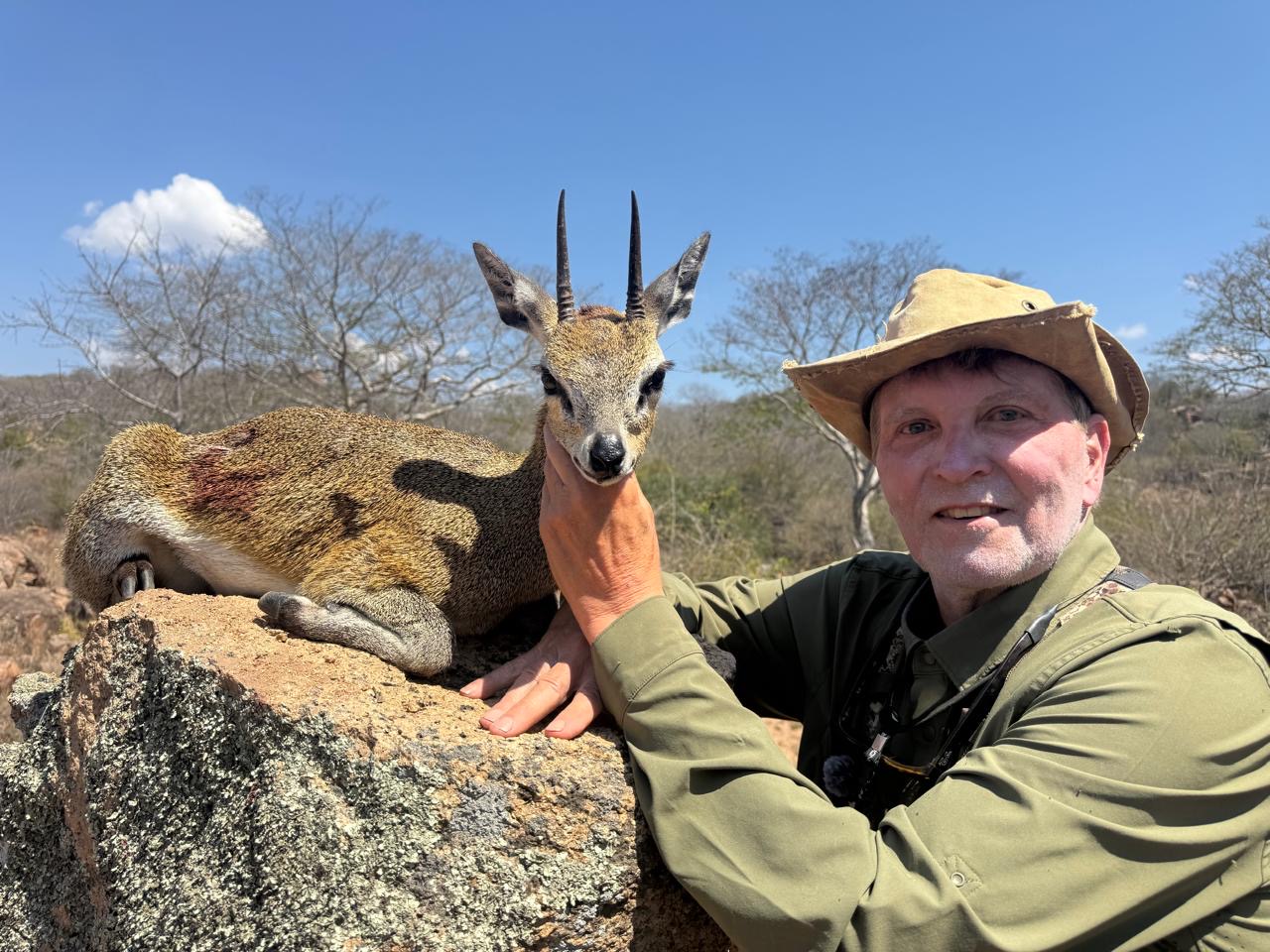
Begin along the Eastern Cape coast, where Oribi favour open grassy ridges and Blue Duiker disappear into thick forest cover. Common Duiker, Steenbok and Cape Grysbuck add variety across bush and scrub, while Klipspringer draw you into the rocky uplands. Vaal Rhebok bring another demanding mountain hunt to our Eastern Cape collection.
The journey can continue beyond South Africa: Namibia offers Damara Dik-Dik, Mozambique offers Red Duiker and Livingstone’s Suni, and Zambia or Zimbabwe offer Sharpe’s Grysbuck for hunters following the traditional list. Whether you are starting from scratch or seeking a missing species, the collection can grow over several safaris.
Find 7 Of The 10 In The Eastern Cape
Small antelope can present some of the biggest tests of a hunter’s patience and fieldcraft. Their alert nature, discreet movements and varied habitats make them a rewarding focus for a dedicated plains-game safari.
The Eastern Cape’s mix of coastal forest, open grassland, dense bush and mountain country creates opportunities to pursue seven species in the Eastern Cape collection on one safari: Blue Duiker, Oribi, Common Duiker, Steenbok, Cape Grysbuck, Klipspringer and Vaal Rhebok.
Our Eastern Cape collection uses Vaal Rhebok in place of Sharpe’s Grysbuck. This regional variation brings seven species within reach in the province, with hunting areas and availability confirmed when your safari is planned.


What Are The Tiny 10?
The Tiny 10 is a traditional hunting collection of ten small African antelope. Their size can be deceptive: sharp senses, secretive habits and the cover they favour make each one a distinctive challenge.
The traditional collection includes Blue Duiker, Red Duiker, Common Duiker, Oribi, Steenbok, Klipspringer, Cape Grysbuck, Sharpe’s Grysbuck, Livingstone’s Suni and Damara Dik-Dik.
Our Eastern Cape variation replaces Sharpe’s Grysbuck with Vaal Rhebok, adding a mountain species known for a demanding pursuit.
How Many of the Tiny 10 Can Be Hunted in the Eastern Cape?
Seven species in our Eastern Cape collection can be pursued in the Eastern Cape, combining different habitats within a single safari:
- Blue Duiker
- Oribi
- Common Duiker
- Steenbok
- Cape Grysbuck
- Klipspringer
- Vaal Rhebok
Vaal Rhebok takes the place of Sharpe’s Grysbuck in this collection. Six of these species belong to the traditional Tiny 10 list; the seventh is our regional alternative. Your itinerary will depend on the species you wish to pursue and availability in the selected hunting areas.
Where Can The Rest Of The Tiny 10 Species be Hunted In Africa?
To continue the collection beyond the Eastern Cape, the following destinations offer opportunities for the remaining species:
- Namibia: Damara Dik-Dik.
- Mozambique: Red Duiker and Livingstone’s Suni, including sand-forest habitats.
- Zambia: Sharpe’s Grysbuck in the Luangwa Valley.
- Zimbabwe: Sharpe’s Grysbuck in the Zambezi Valley.
Hunters following our Vaal Rhebok variation have three species left beyond the Eastern Cape: Damara Dik-Dik, Red Duiker and Livingstone’s Suni. Those completing the traditional collection will also need Sharpe’s Grysbuck. Opportunities depend on the destination, hunting area and species availability.